Knee Pain Singapore: Clinical Guidance for Sports Knee Injuries
July 10, 2026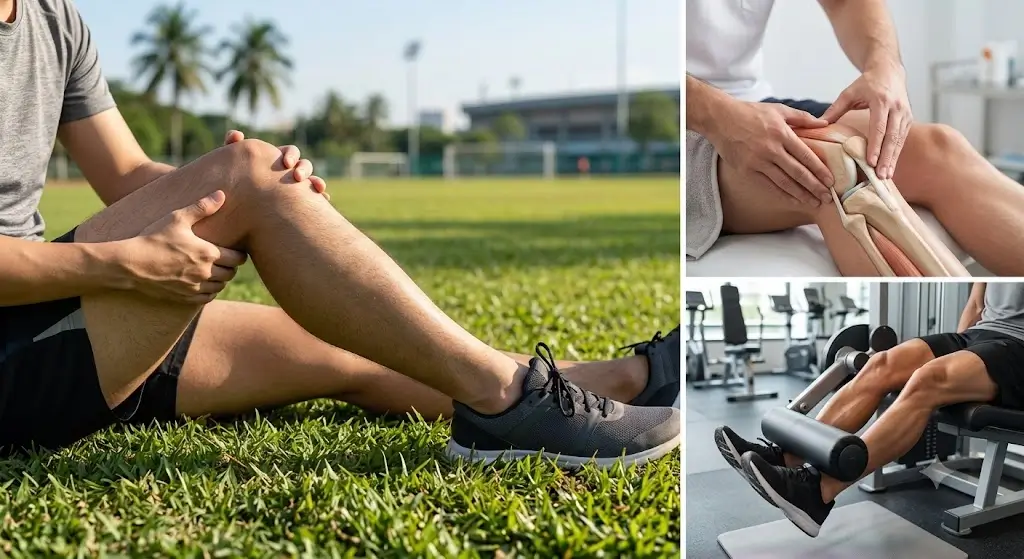
Executive Summary:
Knee pain from sports injuries, such as ACL tears, meniscus tears, or cartilage damage, requires timely clinical evaluation to protect long-term mobility. This guide explains key differences between ligament and cartilage issues, details surgical and non-surgical pathways, and provides actionable advice for safe home recovery. Consult our specialist team at Asian Healthcare Specialists for structured medical tracking.
Many Singaporeans love staying active by running along East Coast Park, playing football in Kallang, or hiking through Bukit Timah Nature Reserve. However, a sudden twist or an awkward landing can cause severe knee discomfort. If you are experiencing persistent joint swelling or instability, finding professional medical advice for Knee Pain Singapore is your first step toward recovery.
Many active individuals delay seeking clinical attention, hoping that minor discomfort will resolve on its own. In our clinical experience, ignoring acute signs of joint damage can lead to chronic instability or accelerated wear of the joint cartilage. Understanding when to seek an orthopaedic evaluation is vital for protecting your mobility.
The Ministry of Health in Singapore highlights the importance of early clinical intervention for musculoskeletal conditions to prevent long-term joint degradation. Whether you are dealing with a ligament tear or a meniscus tear, our clinical team focuses on clear diagnostics and structured treatment plans. By taking a conservative yet proactive approach, we help patients understand their medical choices and plan their recovery milestones with confidence. We also align our recommendations with active lifestyle guidelines set by the Health Promotion Board to support long-term wellness.
What causes sudden knee pain during sports activities?
Sudden knee pain during sports is frequently caused by ligament tears, such as an ACL tear, or meniscus damage. These injuries typically occur during rapid pivots, sudden stops, or direct impacts on the field.
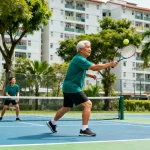
Active individuals across Singapore enjoy high-impact activities like football, netball, and basketball. These sports require sudden shifts in direction, which can put immense stress on the knee joint. When the joint rotates beyond its normal range, delicate ligaments or cartilage can tear.
In our clinical experience, sudden twisting movements on artificial turf pitches often lead to acute joint distress. Patients we see often describe a sudden pop followed by immediate swelling and difficulty putting weight on the leg. If you experience these symptoms, seek clinical assessment immediately to protect your joint from further damage.
How do you identify an ACL tear versus a meniscus tear?
An ACL tear usually presents with a distinct popping sound, immediate swelling, and a feeling of joint instability. In contrast, a meniscus tear often causes localized pain along the joint line, clicking, and a mechanical catching or locking of the knee.
Active individuals in local sports circles often confuse these two distinct injuries. An anterior cruciate ligament (ACL) injury affects the structural stability of the knee, making the joint feel loose or unstable. A meniscus injury affects the shock-absorbing cartilage discs, which can interfere with smooth movement.
Our clinical team performs structured evaluations at our clinic to differentiate these conditions. We utilise detailed clinical tests and magnetic resonance imaging to assess the exact nature of the damage. Here is a comparison of what patients we see typically report:
| Injury Feature | ACL Tear | Meniscus Tear |
|---|---|---|
| Primary Symptom | Joint instability and sudden giving way | Pain along the joint line and clicking |
| Onset of Swelling | Rapid, usually within hours of injury | Gradual, often developing over 24 to 48 hours |
| Mechanical Block | Unlikely, though movement is limited by pain | Common, the knee may catch or lock |
| Common Activity | Sudden change of direction or pivoting | Twisting while squatting or lifting weights |
Restoring Joint Function through Keyhole Procedures
For complex ligament tears or severe meniscus damage, orthopaedic specialists often recommend keyhole surgery, also known as arthroscopy. During this procedure, the specialist uses minute incisions to inspect and repair the damaged joint tissues. This approach minimises soft tissue disruption, allowing a more predictable recovery pathway.
Our team focuses on clinical preservation of original tissues whenever possible, especially for meniscus tears. Techniques like meniscus repair or advanced cartilage regeneration aim to maintain the natural cushioning of your knee. This helps reduce the long-term risk of joint wear, allowing you to return to your daily activities safely.
Following a keyhole procedure, patients undergo structured post-operative clinical tracking. Rather than rushed activities, we focus on safe self-guided mobilization and close medical follow-ups. Our specialists monitor your surgical healing progress during regular orthopaedic check-ups to ensure the joint recovers optimal stability.
What are the non-surgical medical options for knee pain?
Non-surgical medical treatments include prescription anti-inflammatory medication, targeted joint injections, and specialized bracing. These clinical pathways focus on reducing localized swelling, managing discomfort, and stabilizing the joint during the early recovery phase.
Not every knee injury requires a surgical procedure. In our clinical experience, mild ligament sprains or minor cartilage irritation can resolve with careful medical management. Dr Tan Chyn Hong provides personalised guidance, setting up clear recovery milestones and performing regular orthopaedic check-ups to track your progress.
Using structured brace support can protect the healing ligament while you go about your daily activities. We closely track your medical recovery progress to determine when it is safe to transition out of support. This ensures that the healing tissues are not subjected to premature strain.
Specialist Consultative Care and Tracking Recovery
Navigating a joint injury requires careful medical oversight rather than self-treatment. Consulting an orthopaedic specialist provides a precise diagnosis and prevents further structural damage. Our clinic group coordinates closely with you to design structured timelines for safe self-guided mobilization.
We schedule regular clinical reviews to monitor your healing progress, ensuring that your joint is healing with proper alignment. This structured tracking helps patients return to light activities, like walking in local botanical gardens, without overloading the delicate healing tissues. This focused recovery pathway is highly managed by our clinical team at Asian Healthcare Specialists.
Our specialists focus on medical safety throughout your journey. Whether you choose conservative management or surgical repair, we ensure that you receive continuous clinical feedback. This collaborative approach keeps you informed about your joint health and supports safe progress.
How should you prepare your home for recovery after knee surgery?
Preparing your home involves clearing walking pathways, placing daily essentials within easy reach, and setting up a secure resting area on the ground level. These simple modifications minimize the risk of accidental slips or sudden joint strain during early mobilization.
Many of our patients live in high-rise apartments across Singapore, where managing tight hallways or deep bathroom steps can pose challenges. Under medical guidance, simple changes like adding non-slip mats in the shower and organizing a dedicated recovery space can make a massive difference.
You should ensure that all electrical cords and loose rugs are removed from walking areas. Having a firm, supportive chair with armrests can help you stand up without overworking your recovering knee. Our team provides detailed advice on how to navigate your home safely during your initial recovery weeks.
Conclusion
Knee pain does not have to keep you away from the sports and activities you love in Singapore. By securing an accurate diagnosis and starting a structured medical plan, you can protect your joints and recover safely. Our team at Asian Healthcare Specialists is here to support you at every stage, from clinical assessment to post-operative tracking.
If you are experiencing joint pain, instability, or suspect a ligament tear, do not wait for the condition to worsen.
Medical Disclaimer: This article is for general informational purposes only and is not a substitute for professional medical advice, diagnosis, or treatment. Always seek the advice of your doctor or other qualified health providers with any questions you may have regarding a medical condition.
Frequently Asked Questions
1. How long does it take to recover from an ACL tear?
Recovery from an ACL injury varies depending on whether you undergo surgery or non-surgical management. For patients who undergo keyhole ligament reconstruction, returning to light walking and daily tasks typically takes a few weeks. However, returning to high-impact sports like football usually requires six to nine months of structured clinical tracking and safe self-guided mobilization under medical supervision.
2. Can a meniscus tear heal without surgery?
Yes, some meniscus tears can heal without surgical intervention, particularly small tears located on the outer edge of the meniscus where blood supply is rich. Non-surgical management includes temporary bracing, activity modification, and regular orthopaedic check-ups. Our specialists assess the tear’s location and stability to determine if conservative medical management is safe for you.
3. What should I do immediately after a knee injury?
In the first 48 hours following a knee injury, it is safe to apply conservative joint care. Rest the leg, apply ice wrapped in a towel for fifteen minutes at a time, use a compression bandage to manage swelling, and elevate the knee. Avoid hot baths or massages, and consult an orthopaedic specialist quickly to get an accurate diagnosis.
4. Is walking good for knee pain from a ligament tear?
Walking is generally safe if the joint is stable and you do not experience sharp pain or swelling. However, if you have a complete ACL tear, the knee may feel unstable and walk with a risk of giving way, which can cause secondary cartilage damage. It is essential to undergo a clinical check-up to receive custom instructions on safe mobilization.
5. How does cartilage repair differ from ligament reconstruction?
Cartilage repair focuses on restoring the smooth, shock-absorbing surface of the joint, often using techniques like microfracture or cartilage cell transplantation to address localized wear. Ligament reconstruction focuses on replacing a torn stabilizing band, such as the ACL, using a tissue graft. Both procedures can be performed using keyhole surgery but require different recovery tracking timelines.
About the doctor

Dr Tan Chyn Hong
Orthopaedic
Doctor’s News


Doctor’s Medical Insights