
Winter Joint Care with The Orthopaedic Centre in Singapore
November 19, 2026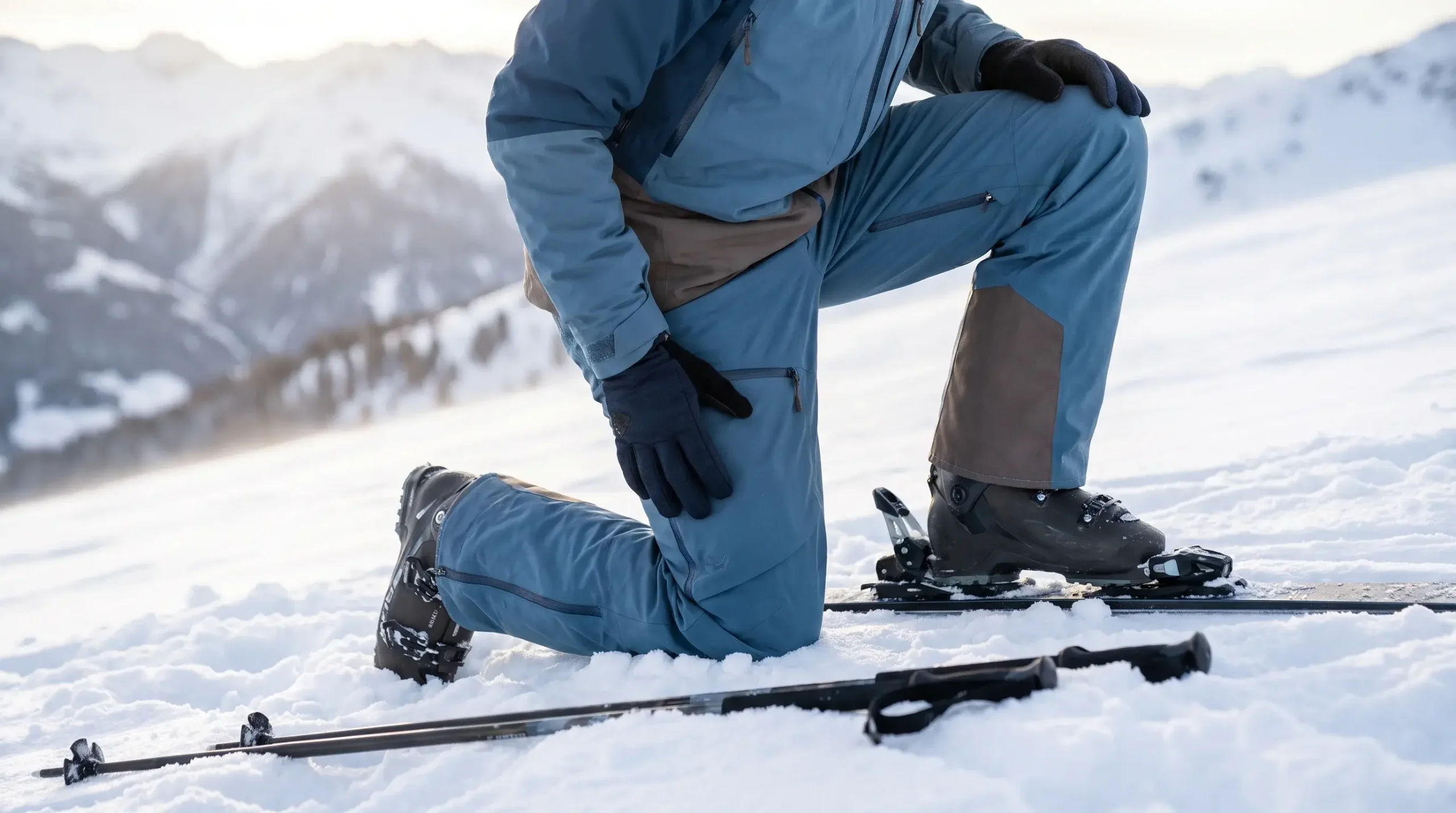
Executive Summary: Winter holidays can place sudden strain on the knees, hips, shoulders, ankles, and spine for tropical travellers. Preparing with pre-trip conditioning exercises lowers the risk of injury on snow. If a fall occurs overseas, prompt local triage protects healing tissues. Upon return, timely review at The Orthopaedic Centre or private clinics in Singapore identifies hidden ligament or cartilage damage early.
Asian Healthcare Specialists
Asian Healthcare Specialists provides coordinated orthopaedic and multidisciplinary medical care in Singapore, with a focus on accurate diagnosis, patient comfort, and structured clinical recovery tracking to support active lifestyles.
Introduction
Many families in Singapore swap humid evenings for snowy resorts in Hokkaido, Korea, or Switzerland. While crisp mountain air feels refreshing, cold temperatures and brisk turns place unusual demand on joints adapted to flat tropical pavements. Knowing when to visit The Orthopaedic Centre, private clinics in Singapore, helps protect your long-term mobility.
In our clinical experience, winter sports injuries rarely occur due to a lack of enthusiasm in skiers. More often than not, tired leg muscles, icy patches, and hurried preparation combine during an afternoon run.
Your knees, hips, shoulders, ankles, and lower spine absorb heavy force whenever skis catch an edge or a snowboarder lands awkwardly. Taking simple steps before packing, responding calmly overseas, and arranging a specialist review back home safeguard your joint comfort.
What Are the Most Common Winter Sports Joint Injuries?
Twisting falls on snow most often injure knee ligaments, shoulder joints, ankles, hips, and the spine. Skiers frequently strain the anterior cruciate ligament (ACL), a key stabilising band inside the knee, while snowboarders commonly hurt wrists, shoulders, or tailbones during sudden sideways or backward falls.
Patients seen at Asian Healthcare Specialists often recall catching a ski tip right before feeling a painful pop. Rigid ski boots lock the ankle firmly, sending rotational force upward into the knee or hip.
- Knee injuries: Tears of the ACL, medial collateral ligament (MCL, the inner knee band), or meniscus (cushioning cartilage) occur when ski bindings do not release.
- Shoulder injuries: Outstretched falls cause dislocations, rotator cuff tendon tears, or collarbone joint separations.
- Hip and spine strain: Hard impacts on ice trigger hip cartilage rim tears or lower back muscle spasms.
- Ankle sprains: Snowboarders in softer boots face lateral ankle sprains and small fractures.
Pre-Trip Conditioning and Gear Preparation for Joint Protection
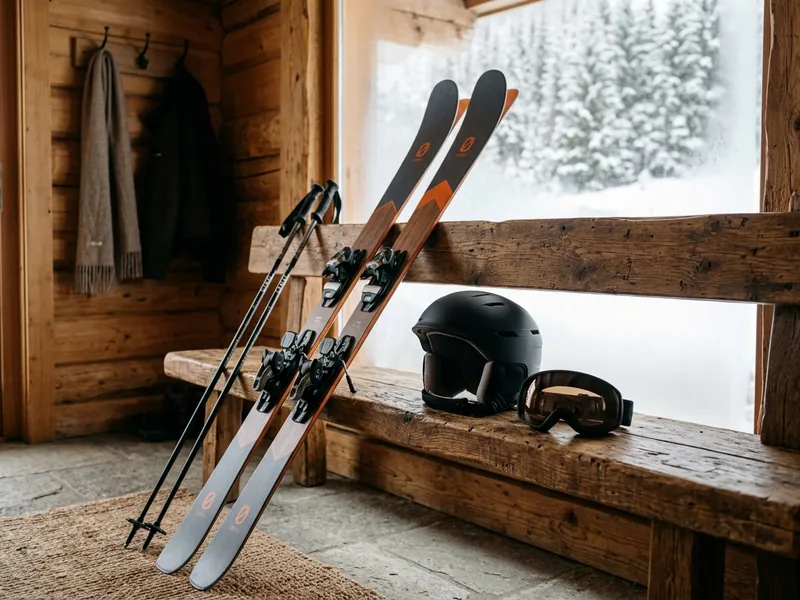
Starting pre-trip conditioning six weeks before your flight builds muscle endurance that shields joints from shock. You do not need snowy hills in Singapore to prepare well. Regular sessions in a neighbourhood gym or living room train the exact muscles used on snow.
Practise controlled movements that support alpine posture:
- Wall sits and squats: Build thigh endurance so that fatigued legs do not transfer twisting stress to the knee ligaments.
- Lateral band walks and clamshells: Strengthen hip muscles to keep knees aligned during turns.
- Core planks and bridges: Brace your spine over bumpy snow.
- Single-leg balance drills: Sharpen ankle stability on uneven ground.
Have a technician set your ski bindings to match your weight and skill level so boots release safely during a fall. Always wear a certified helmet and wrist guards when snowboarding.
How Do Slope Conditions and Technique Affect Joint Strain?
Fatigue, icy afternoon pistes, and leaning too far back all sharply increase the risk of joint injury on the mountain. When tired leg muscles lose control on hard snow, sudden jarring forces bypass muscular shock absorbers and overload knee cartilage, hips, and shoulders.
Travellers from warm climates often feel eager to squeeze every possible run from a short holiday pass. Yet many joint injuries happen on the final run of the day, when cold muscles tighten and focus fades.
Keep knees softly bent over your ski boots instead of sitting back on your heels. Spend ten minutes warming up your hips, back, and shoulders before riding the first lift, and rest early if your legs tremble.
What Should You Do Immediately If You Injure a Joint Overseas?
Stop skiing immediately after a painful fall, signal ski patrol for safe transport off the slope, and visit a local alpine clinic for X-rays. Early splinting, ice packs, and elevation help limit swelling and confirm whether a bone is fractured before your return flight.
Trying to push through a swollen knee or sore shoulder often worsens minor cartilage tears. Rest the joint, apply a wrapped ice pack for 20 minutes at a time, and wear an elastic compression wrap if advised.
Before leaving the overseas clinic, ask for digital copies of your X-rays and a brief clinical summary. On your flight back to Singapore, choose an aisle seat for legroom, keep the joint supported, and avoid lifting heavy cabin bags if you have an injured shoulder.
 Comparing Overseas Alpine Triage and Specialist Care in Singapore
Resort clinics focus on urgent triage, ruling out broken bones and keeping you comfortable enough to travel home safely. Back in Singapore, seeing an experienced orthopaedic specialist shifts the focus toward spotting soft-tissue damage that standard X-rays miss, such as meniscus or rotator cuff tears.
| Joint Area | Common Slope Injury | Immediate Overseas Step | Specialist Review in Singapore |
|---|---|---|---|
| Knee | ACL, MCL, or meniscus tear | Fit brace, X-ray, avoid weight-bearing | Stability check, MRI scan, recovery plan |
| Shoulder | Dislocation or rotator cuff tear | Sling support, alignment X-ray | Ultrasound or MRI, strength check |
| Hip | Bruising, labral tear, fracture | Rest off feet, urgent X-ray | Range assessment, targeted imaging |
| Ankle | Lateral sprain or fracture | Compression wrap, boot, X-ray | Ligament check, swelling care |
| Spine | Lumbar strain or disc irritation | Lie flat if severe, rule out nerve pain | Neurological check, posture advice |
When Should You See an Orthopaedic Specialist Upon Returning to Singapore?
Book an orthopaedic review within days of landing if you notice lasting swelling, joint instability, locking, weakness, or pain beyond 72 hours. Seeking timely assessment helps prevent minor ligament or cartilage injuries from worsening during daily walking and stair climbing in Singapore.
Some travellers hope a sore knee or stiff shoulder will settle once they return to humid weather. However, ongoing clicking, a knee that gives way, or tingling down an arm or leg requires prompt evaluation.
During an appointment for orthopaedic care in Singapore, your specialist tests joint stability, reviews overseas scans, and arranges MRI imaging when needed. Mild sprains often heal with bracing, medicine, and safe self-guided mobilisation, whereas complete tears may benefit from minimally invasive surgery.
Conclusion
Winter sports bring memorable family moments when you prepare your body for cold weather and uneven snow. Building leg, hip, core, and ankle strength weeks before flying from Singapore gives your joints dependable support on the slopes. Pacing your runs, checking binding settings, and resting when tired help prevent avoidable falls.
Should an injury happen overseas, calm first aid, prompt local X-rays, and careful flight arrangements protect your joint until you reach home. Do not brush aside persistent pain, swelling, or joint weakness once daily routines resume.
Under medical guidance, an accurate diagnosis sets the path for steady healing, regular clinical check-ups, and safe self-guided mobilisation. If you recently returned from a winter trip with a sore knee, shoulder, hip, ankle, or back, reach out to schedule a consultation with our specialist team.
Contact Asian Healthcare Specialists
This article is for general informational purposes only and is not a substitute for professional medical advice, diagnosis, or treatment. Always seek the advice of your physician or other qualified health providers with any questions you may have regarding a medical condition.
Frequently Asked Questions
How early should I start pre-trip conditioning before a ski holiday?
Starting a conditioning programme six to eight weeks before departure lets muscles, tendons, and ligaments adapt steadily without undue soreness. Aim for three short sessions weekly focusing on thigh endurance, hip stability, core bracing, and ankle balance. Even brief home workouts in Singapore improve how comfortably your joints absorb turns on snow.
Can I fly back to Singapore with a suspected knee or ankle injury?
Most travellers with stable sprains fly home safely once an overseas doctor rules out major fractures and fits a supportive brace or boot. Keep the leg elevated when possible, wear compression stockings if advised, and book airport wheelchair assistance. Always seek local medical clearance before flying if swelling feels severe.
Why do I need an MRI in Singapore if my overseas X-ray looked normal?
X-rays clearly display bone fractures and dislocations, yet they cannot show soft tissues well. Knee ligaments like the ACL, meniscus cartilage, hip labral rims, and shoulder rotator cuff tendons often tear without breaking bone. An MRI scan in Singapore helps your orthopaedic specialist clearly see these hidden injuries.
What happens during a follow-up visit at a private orthopaedic clinic?
Your orthopaedic specialist reviews how the fall occurred alongside any overseas X-rays or medical reports you brought home. Next, the doctor checks joint alignment, swelling, range of movement, and ligament stability. Based on these findings, you receive a tailored recovery plan that covers bracing, medication, safe self-guided mobilisation, or surgical options.
When is surgery considered for winter sports joint injuries?
Many partial ligament sprains, mild shoulder strains, and back spasms recover smoothly with rest, bracing, and medical follow-up rather than surgery. Surgery is usually discussed when a joint remains unstable, a displaced bone needs alignment, or torn cartilage causes painful locking. Your specialist explains every option and timeline clearly.