
Orthopaedic Specialist Singapore: Your Guide to Diagnosis, Treatment & Recovery
March 10, 2026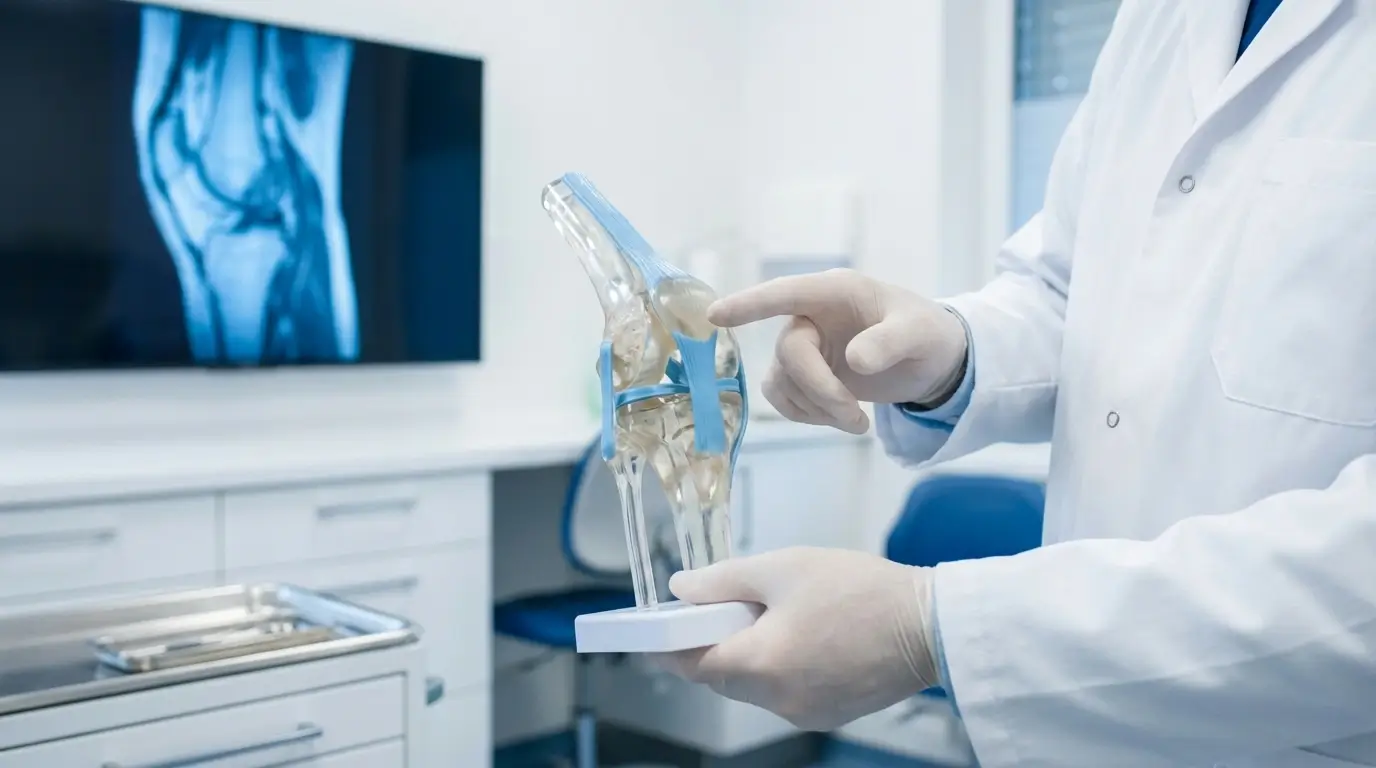
Summary
If you find yourself dealing with persistent joint pain, limited mobility, or a nagging sports injury that just won’t heal, finding care from an orthopaedic specialist in Singapore is vital for your long-term recovery.
This guide covers the essentials of diagnosis using tools like X-rays and MRIs, explains the balance between conservative treatments and surgical intervention, and details how multidisciplinary rehabilitation restores function. It also clarifies practical considerations for patients, including how to utilise MediSave and Integrated Shield Plans for your medical costs.

Asian Healthcare Specialists
A multidisciplinary medical services group in Singapore offering holistic, patient-centred care. We emphasise care, compassion, gentleness, and accountability for comprehensive in-house care of complex medical issues.
Introduction
Navigating joint pain, sports injuries, or persistent musculoskeletal discomfort can feel overwhelming. You’re not alone. At Asian Healthcare Specialists (AHS), our orthopaedic team is here to provide clarity, compassionate care, and a clear path forward. We believe in exploring all conservative options first, and our multidisciplinary approach means you have seamless access to specialists and rehabilitation under one trusted roof. If you’re wondering whether it’s time to seek expert advice, this guide will help you understand your symptoms, the diagnostic process, and the treatment options available right here in Singapore.
What Does an Orthopaedic Specialist Do?
An orthopaedic specialist is a medical doctor who focuses on diagnosing, treating, and preventing conditions related to the musculoskeletal system. This includes your bones, joints, muscles, ligaments, tendons, and nerves. Think of us as problem-solvers for your body’s framework—we help restore function, reduce pain, and get you back to the activities you love.
Common Conditions We Manage
Our team regularly supports patients with a wide range of issues, including:
| Area | Conditions Managed |
|---|---|
| Knee | Osteoarthritis, ACL and meniscus tears, patellofemoral pain |
| Shoulder | Rotator cuff injuries, frozen shoulder, impingement |
| Spine | Slipped disc, sciatica, spinal stenosis |
| Hand & Wrist | Carpal tunnel syndrome, trigger finger |
| Foot & Ankle | Plantar fasciitis, bunions, ankle sprains |
| Sports Injuries | From weekend warriors to competitive athletes |
Orthopaedic Specialist vs Orthopaedic Surgeon
This is a common question. All our orthopaedic specialists are trained surgeons, but not every patient needs surgery. In fact, many conditions respond well to non-surgical treatments like physiotherapy, injections, or activity modification. Our priority is to recommend the most appropriate, least invasive option for your situation.
When Should You See an Orthopaedic Specialist
It’s time to consider a consultation if you’re experiencing:
- Persistent pain that lasts more than a few weeks
- Difficulty bearing weight on a joint
- Significant swelling, redness, or warmth around a joint
- Reduced range of motion or stiffness
- Joint instability or a feeling of “giving way”
- Numbness, tingling, or weakness radiating down your limbs
How Orthopaedic Problems Are Diagnosed: A Clear, Step-by-Step Process
We know that undergoing medical investigations can feel daunting. That’s why we take time to explain each step, ensuring you feel informed and comfortable throughout your journey with us.
The Initial Clinical Assessment: Listening and Examining
Your first appointment is all about understanding your story. We’ll discuss your symptoms, medical history, and how the issue impacts your daily life. This is followed by a physical examination where we assess movement, strength, and stability. This hands-on approach often provides valuable clues about what’s happening.
Understanding Medical Imaging: X-ray, MRI, CT, and Ultrasound
If further investigation is needed, we may recommend imaging. Here’s a simple breakdown:
- X-ray: Excellent for viewing bone fractures, arthritis, and alignment.
- MRI: Provides detailed images of soft tissues like ligaments, tendons, and cartilage.
- CT Scan: Offers a more detailed 3D view of complex bone structures.
- Ultrasound: Useful for visualising soft tissues in real-time, often used for guiding injections.
We’ll always explain why a particular scan is recommended and what we hope to learn from it.
What to Expect at Your First Orthopaedic Appointment in Singapore
To make your visit as smooth as possible, we recommend bringing:
- Any previous X-rays, MRI scans, or medical reports
- A list of your current medications
- Your NRIC and insurance details
- A pair of shorts if we are assessing a knee, hip, or ankle issue
There’s no need for a referral to see our private specialists. You can book a consultation directly.
Treatment Options: From Conservative Care to Surgery
Our philosophy at AHS is to start with the simplest, most effective solutions first. We create a personalised treatment plan tailored to your specific condition, lifestyle, and goals.
Non-Surgical and Conservative Management
Many patients find significant relief without the need for surgery. Options include:
- Physiotherapy: Tailored exercises to improve strength, flexibility, and function.
- Medications: Pain relievers or anti-inflammatories to manage symptoms.
- Injections: Such as corticosteroids to reduce inflammation or hyaluronic acid for joint lubrication.
- Bracing and Orthotics: Supports to stabilise joints or correct alignment.
- Activity Modification: Advice on adjusting your activities to aid healing.
When Is Surgery Considered
Surgery may be recommended if conservative treatments haven’t provided sufficient relief, or if the condition is severe. Standard procedures include arthroscopy (keyhole surgery), joint replacement, or fracture repair. We believe in shared decision-making—we’ll clearly explain the benefits, potential risks, and what recovery looks like so you can feel confident in your choice.
Recovery Timelines and Returning to Your Routine
Recovery varies depending on the procedure and the individual. We’ll provide you with a realistic timeline and a structured rehabilitation plan. Our integrated team ensures continuity of care, helping you safely return to work, sport, and daily life.
The AHS Difference: Multidisciplinary Orthopaedic Care in Singapore
What sets us apart is our collaborative model. As part of a larger multidisciplinary group, your orthopaedic specialist works closely with physiotherapists, rehabilitation specialists, and other medical experts—all within the AHS network. This means your care is coordinated, comprehensive, and convenient.
Orthopaedics and Rehabilitation: A Combined Approach for Better Outcomes
From your first diagnosis through to your full recovery, our rehabilitation team is involved. This seamless integration means your exercise plans align with your orthopaedic treatment goals, speeding recovery and improving long-term outcomes.
Managing Complex Conditions with a Specialist Team
For conditions that involve multiple areas of health, our diverse team of specialists can consult with each other, ensuring you receive holistic care that addresses all aspects of your well-being.
Singapore-Specific Guidance: Costs, Insurance, and Access
Financial clarity is part of reasonable care. While exact costs depend on your individual treatment plan, we are transparent about fees and happy to discuss financing options.
Understanding Consultation and Treatment Costs
An initial consultation typically includes a clinical examination and discussion of a management plan. If further imaging or treatment is required, we will provide a precise cost breakdown in advance.
Using MediSave and Integrated Shield Plans
You may use your MediSave to offset the cost of specific surgical procedures and approved injections. Many of our services are also covered under Integrated Shield Plans with private coverage. Our clinic staff can assist you with checking your insurance eligibility and submitting claims.
Do You Need a Referral to See Us?
No, you do not need a GP referral to book a consultation with our orthopaedic specialists. You can contact us directly to make an appointment.
Frequently Asked Questions
1. What does an orthopaedic specialist treat?We diagnose and manage conditions affecting the musculoskeletal system, including bones, joints, muscles, ligaments, and tendons. This covers everything from arthritis and sports injuries to back pain and fractures.
2. When should I see an orthopaedic specialist for knee or shoulder pain?Consider booking a consultation if the pain is severe, persists for more than a few weeks, is accompanied by swelling or instability, or is preventing you from performing your daily activities.
3. Do I need a referral to see an orthopaedic specialist in Singapore?No, you can book an appointment with our private specialists directly without a referral from a GP.
4. Can orthopaedic problems be treated without surgery?Yes, many can. We first explore non-surgical options, such as physiotherapy, medication, and injections. Surgery is only considered when necessary.
5. How much does an orthopaedic consultation cost in Singapore?Fees vary depending on the complexity of the case. Please contact our clinic for specific fee schedules, and we can also advise on MediSave and insurance.
Your Next Step: Compassionate Care Awaits
If you’re struggling with joint pain or a musculoskeletal injury, taking the first step is often the hardest. Let us make it easier. Our team at AHS is dedicated to providing you with clear explanations, evidence-based treatment options, and supportive care throughout your recovery.
Ready to find a solution? Speak directly to our friendly care team to book a consultation or get your questions answered.